
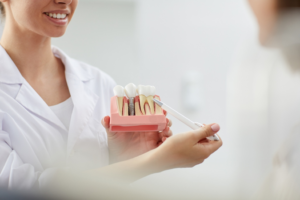
Dental implants are widely considered the gold standard for replacing missing teeth, and for good reasons. They look, feel, and function just like natural teeth, and with proper care, they can last a lifetime! But just because they’re a permanent solution doesn’t mean they’re invincible. Certain lifestyle habits can put your implants at risk and in some cases, even lead to failure. The good news is that most implant problems are entirely preventable by making a few targeted changes to your daily routine.
1. Quit Smoking or Using Tobacco
If you smoke or use any form of tobacco, quitting is the single most impactful change you can make for the long-term success of your dental implants. Tobacco use significantly restricts blood flow to the gums, which impairs the healing process and weakens the bond between the implants and your jawbone. In fact, research consistently shows that smokers face a much higher rate of implant failure compared to non-smokers. But beyond implant failure, tobacco use also increases your risk of gum disease, which is itself one of the leading causes of tooth and implant loss alike!
2. Make Oral Hygiene a Priority
Just because dental implants can’t get cavities doesn’t mean they don’t need regular care. The gum tissue and bone surrounding your implants are still vulnerable to infection. Peri-implantitis, which is a condition similar to gum disease that affects the tissue around an implant, is one of the most common reasons implants fail. To prevent it, brush at least twice a day using a soft-bristled toothbrush, floss daily (including around the base of your implants), and keep attending your biannual dental checkups and cleanings.
3. Reevaluate Your Eating Habits
In the weeks following your implant surgery, it’s critical to stick to soft foods and avoid anything that puts excessive pressure on the surgical site. Once things have healed and moving forward, try to steer clear of very hard foods like ice cubes, hard candies, and crusty bread, all of which can crack or loosen the crown or restoration attached to your implant(s), or place unnecessary stress on your teeth. All of that said, you’ll still be able to enjoy a varied diet thanks to the improved bite force provided by your implants!
4. Address Systemic Health Conditions
Your overall health and your oral health are deeply connected. Conditions like uncontrolled diabetes, osteoporosis, and autoimmune disorders can all interfere with the body’s ability to heal and maintain the bone structure that supports your implant. If you have a chronic health condition, aim to work closely with both your physician and your dentist to manage it effectively. Also, keep in mind that certain medications can also affect bone density or dry out the mouth, which increases the risk of infection.
Dental implants are a life-changing investment, and the habits you build after placement will determine how long they last. So do things the right way and make the most of your new smile for many years to come!
About the Practice
At Dr. Joseph Costa Family Dentistry, our team is proud to offer a wide range of treatments, including dental implants, to patients throughout Worcester and the surrounding communities. With our help, you can enjoy a complete and healthy smile for life, no matter how many teeth you’re missing. If you’re ready to explore dental implants or have questions about the blog, you can contact our office or call us at (508) 755-1980 to schedule your consultation today.